







The pressure builds and you start counting down minutes until you eat. You gotta stand there watchin that float valve do its thing, sealing ring snapped tight, feelin like you're part of a low-key science experiment waiting for that pressure to build. The aroma starts creeping into the kitchen, that caramel and banana mix sorta teasin your nose and making it impossible not to stare at the cooker’s timer.
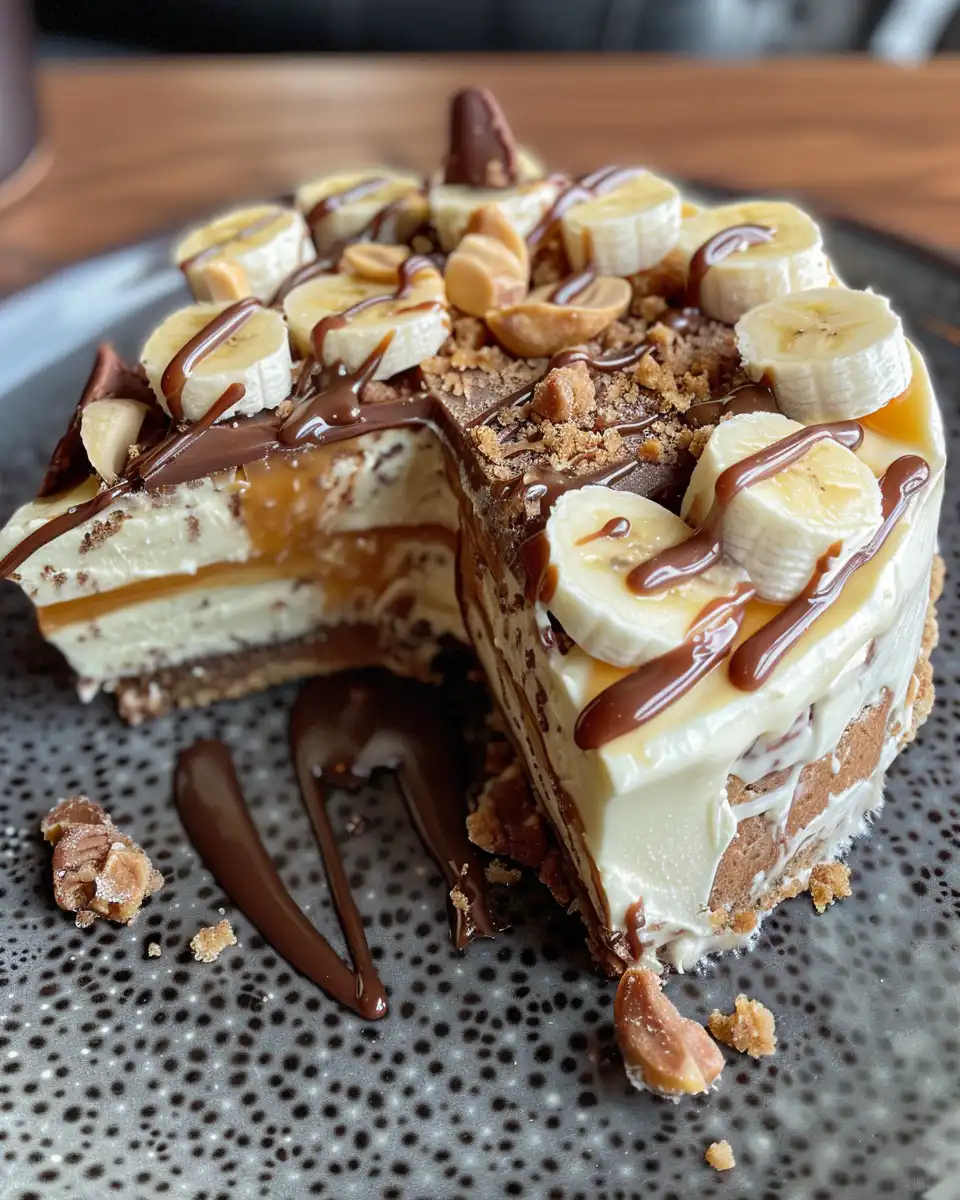
Y'all, this is where the anticipation kicks in. You spot the steam puff a little, that quick release button shining nearby like a beacon, promisin sweet relief and even sweeter treats just a hiss away. Dang, it’s all about patience now, 'cause ya don’t want no soggy cakes from rushing the pressure release too soon.
Then you hear that soft ding or notice the timer’s run down to zero. It's time for the slow release method to let the steam escape gently, keepin the cakes tender and juicy inside. You can almost taste the warm salted caramel minglin with ripe bananas, just about ready to be devoured straight outta that pressure cooker vessel.
What Makes Pressure Cooking Win Every Round
- You get super moist cakes without drying 'em out like ovens sometimes do.
- It’s fast y'all, way faster than your usual bake time for banana cakes.
- Pressure cookers lock in flavors – so all that cinnamon and caramel taste deeper.
- Hands-off cooking once sealed, so you can chill while it does its thing.
- Using the quick release or slow release lets you control the texture just right.
The Complete Shopping Rundown
First up, you need 2 ½ cups almond flour. This gives the cake a nice nutty base that’s moist and tender. Grab 1 teaspoon cinnamon to add a little warmth, and don’t miss the ½ teaspoon baking soda plus ½ teaspoon baking powder for that perfect lift.
For fat and sweetness, get yourself ¼ cup of melted coconut oil. You'll mash up two ripe bananas that bring natural sweetness and moisture to the batter. You gotta have ¼ cup maple syrup and ¼ cup honey both to pump up the caramel vibes and sweetness balance.
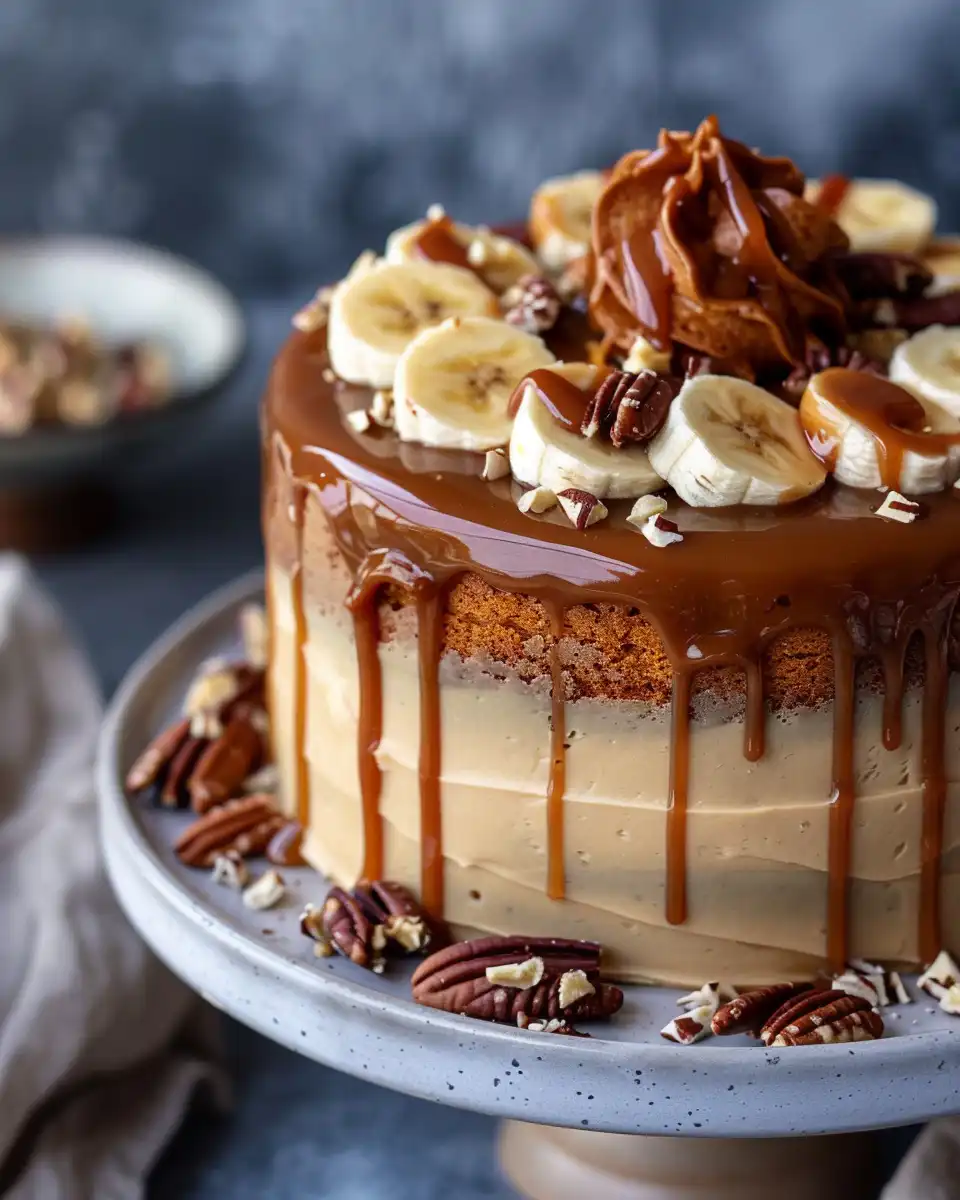
Two eggs at room temp help bind everything together and add good structure. Vanilla extract is your flavor booster—1 tablespoon in the batter and another teaspoon for the cream cheese frosting. Speaking of frosting, you need 12 ounces cream cheese at room temp to get that creamy swirl going.
For that salted caramel touch, haven’t forgotten 3 tablespoons to ¼ cup maple syrup for drizzling, ½ cup almond butter for nuttiness, ¼ cup more maple syrup, melted coconut oil, and don't miss the ¼ teaspoon coarse salt to sprinkle on top to finish off all that sweet.
The Exact Process From Start to Finish
Step one, preheat your oven to 350°F, then grease or line a muffin tin or small cake pan so nothing sticks later.
Step two, whisk your almond flour, cinnamon, baking soda, and baking powder together in a big bowl. This dry mix sets your cake’s base.
Step three, mix melted coconut oil, mashed bananas, maple syrup, honey, eggs, and vanilla extract in a separate bowl. Make sure it’s well blended for even flavor.
Step four, pour the wet stuff into the dry and stir them until fully combined - that batter needs to be smooth and ready.
Step five, scoop your batter evenly into your prepared pan. Make sure you ain’t goin all uneven on me, ok?
Step six, pop it in the oven for 25 to 30 minutes. Got your timer? Check it by stickin a toothpick in the center — if it comes out clean, you’re good.
Step seven is cooling. Let the cakes chill in the pan 10 minutes before you move 'em to a wire rack to cool completely. This part is key for not messin up the texture.
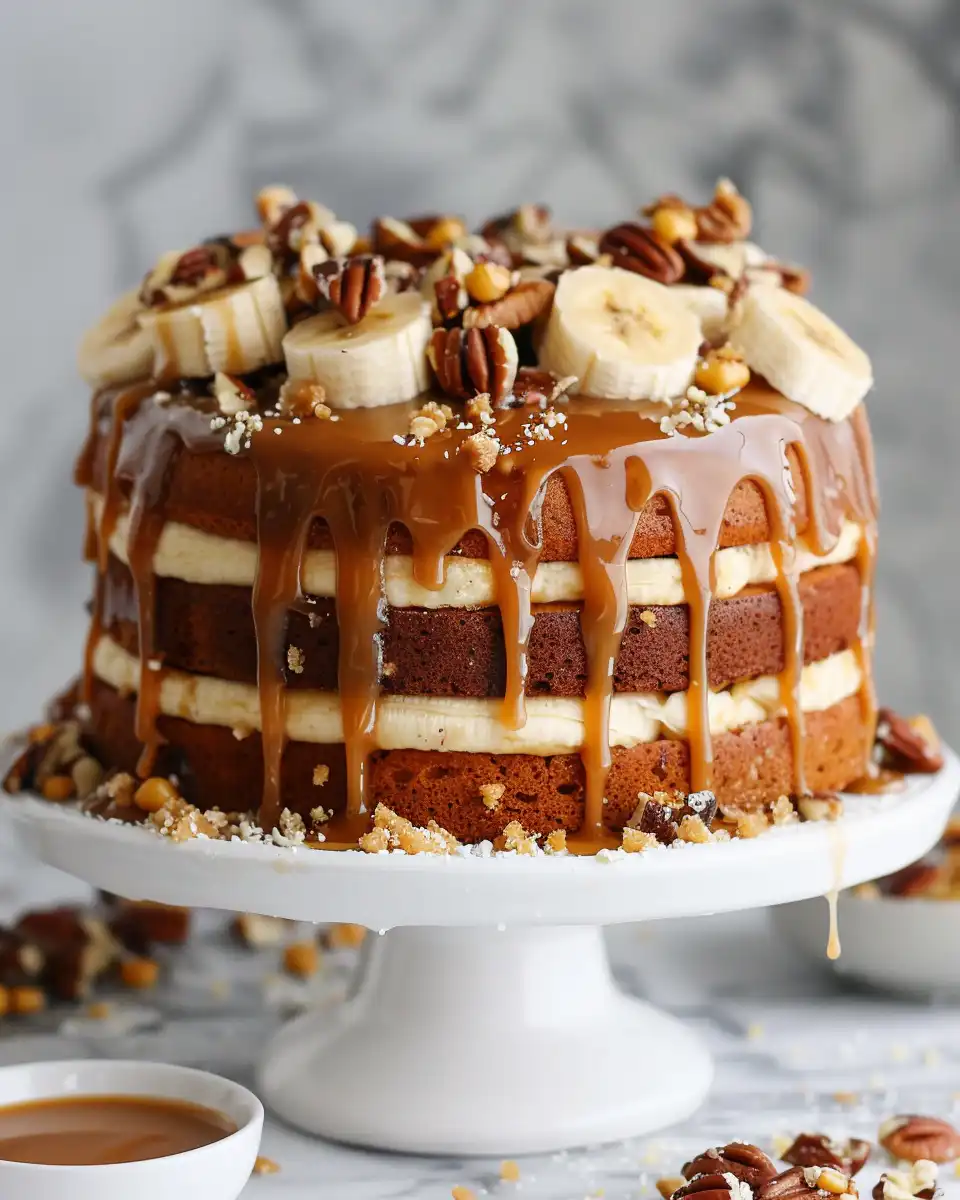
Last, once cooled, whip up your cream cheese frosting with cream cheese, vanilla, almond butter, maple syrup, and coconut oil. Drizzle the salted caramel on top, sprinkle coarse salt, and you got yourself one dang tasty treat.
Smart Shortcuts for Busy Days
- Use pre-mashed bananas from the fridge if you kept some ready ahead.
- Mix dry ingredients the night before and keep covered, cut down prep time.
- Room temp eggs can be warmed quickly by sitting in warm water for 5 minutes.
- Substitute almond butter with peanut butter if you got it handy — still great taste.
- Make frosting in a blender so it comes together faster and smoother.
That First Bite Moment
When you dig in, your first bite hits you with that buttery softness from almond flour and coconut oil. Bananas bring a natural sweetness that melts right on your tongue, kinda like a tender hug from the inside out.
The salted caramel drizzle adds this amazing contrast that dances between sweet and salty-yet-smooth. You’ll notice the cinnamon weaving quietly under the surface, giving just enough spice kick without being sharp or overpowering.
Each mouthful feels moist, fluffy, and slightly dense at the same time. Your taste buds sense that homemade vibe, no shortcuts missed on flavor or texture. Dang, you gonna love this one.
Smart Storage That Actually Works
Keep your cakes in an airtight container at room temp if you plan to eat within 2 days, easy peasy and they stay moist.
Want them lasting longer? Stick the container in the fridge, but bring the cakes to room temp before eating to get the best texture back.
Freeze any leftovers flat wrapped in plastic and then foil. That way they thaw without getting freezer burn, and you can grab single pieces quick.
When reheating, a few seconds in the microwave or brief warm up in the oven brings them back close to fresh from the pressure cooker yumminess.
Everything Else You Wondered About
- Q: Can I use regular flour in place of almond flour?
You can but it’ll change the moistness and flavor a bit. Almond flour keeps things nutty and dense. See more about almond flour baking tips. - Q: What’s the deal with float valve and why is it important?
The float valve shows when pressure’s built inside the cooker. No float valve rise, no cooking pressure, no cake. Learn about pressure cooker basics. - Q: Should I always do quick release or slow release?
Slow release is better for these cakes so they don’t collapse or get soggy from sudden pressure loss. Explore pressure release techniques for baking. - Q: Can I swap honey or maple syrup out?
Sure, you can try agave or even brown rice syrup, but maple syrup and honey combo gives best caramel flavor balance. Check out natural sweeteners guide. - Q: Why do eggs gotta be room temperature here?
Room temp eggs mix better, help cakes rise evenly and keep texture nice and fluffy. - Q: How do I know when cakes are done without a toothpick?
Look for springy tops and edges pulling slightly from pan, but toothpick test is safest bet though.
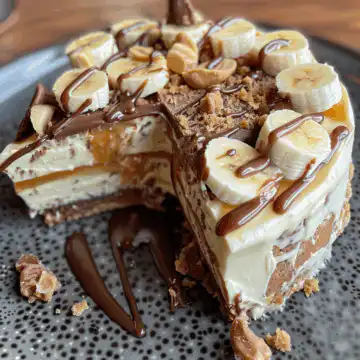
Salted Caramel Banana Cake
Equipment
- 1 Mixing bowl Large
- 1 Oven Preheated to 350°F
- 1 Baking pan 8 or 9 inch, greased or lined
Ingredients
Main ingredients
- 2 ½ cups almond flour
- 1 teaspoon cinnamon
- ½ teaspoon baking soda
- ½ teaspoon baking powder
- ¼ cup coconut oil melted
- 2 ripe bananas mashed
- ¼ cup maple syrup
- ¼ cup honey
- 2 eggs room temperature
- 1 tablespoon vanilla extract
- ½ teaspoon salt
- 12 oz cream cheese room temperature
- 1 teaspoon vanilla extract for frosting
- 3 tablespoons to ¼ cup maple syrup to taste for frosting
- ½ cup almond butter
- ¼ cup maple syrup for caramel
- ¼ cup coconut oil melted for caramel
- ¼ teaspoon coarse salt for topping
Instructions
Instructions
- Preheat oven to 350°F and grease or line the baking pan.
- Whisk together almond flour, cinnamon, baking soda, baking powder, and salt in a large bowl.
- In another bowl, mix melted coconut oil, mashed bananas, honey, maple syrup, eggs, and vanilla until combined.
- Stir wet ingredients into dry until batter forms.
- Pour batter into pan and bake 35-40 minutes until center is firm and browned.
- Let cool 10 minutes in pan, then transfer to wire rack to cool completely.
- Make frosting by blending cream cheese, vanilla, maple syrup until fluffy. Spread on cooled cake. Drizzle caramel mixture on top and sprinkle salt.