






That first hiss from the cooker tells you something good is happening. You stand there a bit, hearing that steam start to fill the pot, and you just know dang well this is gonna be worth it. It’s kinda like a little promise that whatever is inside is gonna come out soft and tender, just like you wanted.
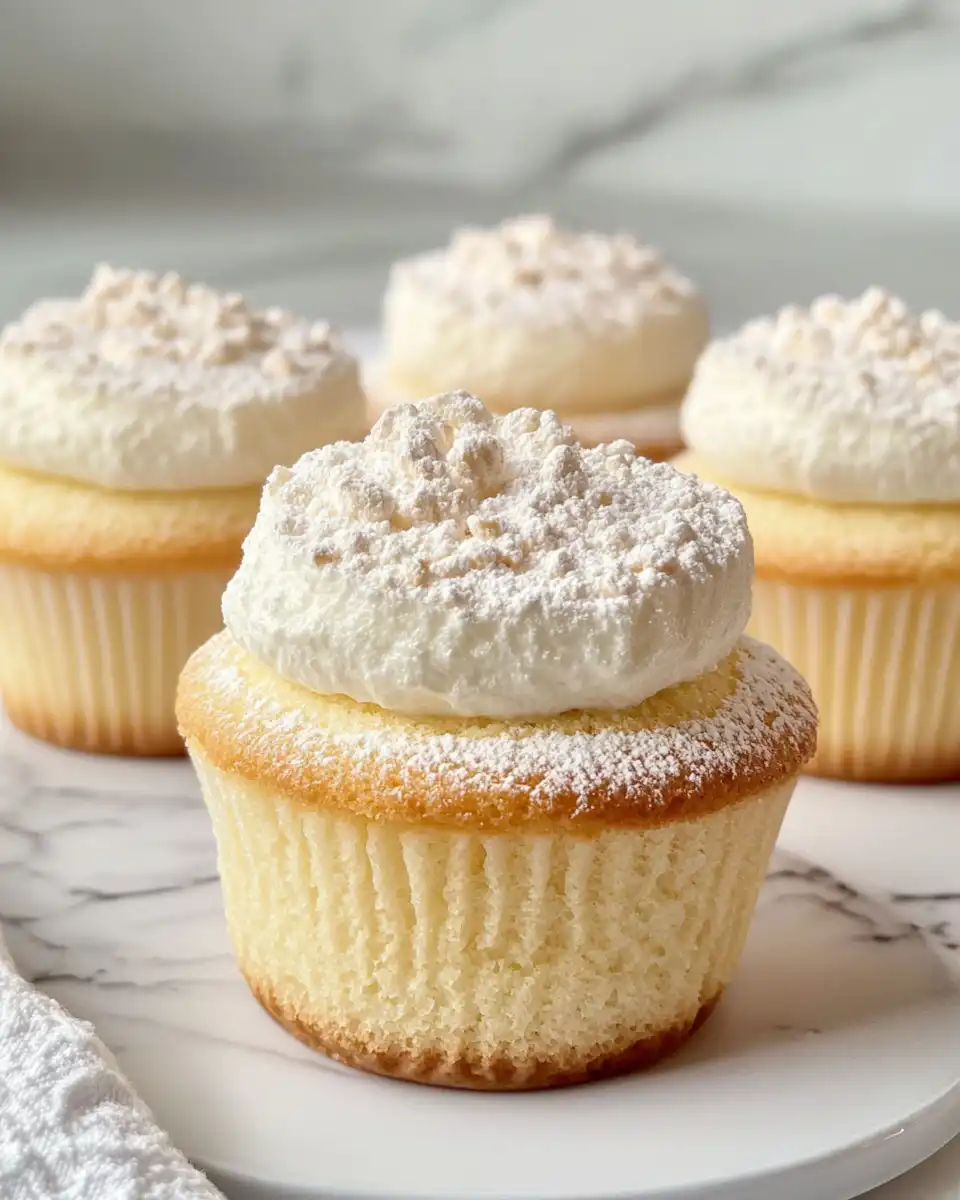
When you make this Cotton Cheesecake, you notice the steam cues and the way the pressure cooker keeps things moist inside. It’s different from just baking because you get this gentle, steady heat that kinda hugs the cake while it cooks. You can sense the difference from the start.
Waiting for the natural release ain’t just a leftover step you skip. It’s where the cake calms down, finishes its tender pull, and grows into that fluffy, melt-in-your-mouth texture. You gotta be patient here, but dang, it’s so worth it when you finally get to slice into it.
The Truth About Fast Tender Results
- Pressure cookers lock in steam, so your cheesecake stays super moist without drying out.
- Broth depth matters — enough water creates steam but not so much that the cake sogs.
- Quick release can cause the cheesecake to deflate fast and mess up the texture, so always opt for natural release.
- Using a water bath with the springform pan inside ensures gentle heat, making every bite tender and soft.
- The steam cues help you know when pressure’s steady, so you don’t overcook or undercook the cheesecake.
What Goes Into the Pot Today
- 5 large eggs, at room temperature — you want those yolks and whites to separate cleanly.
- ¼ teaspoon cream of tartar — this keeps your egg whites all fluffy and stable for meringue.
- ½ cup sugar, divided — sweet but not overpowering, you’ll add this in parts with the egg whites and yolks.
- 8 ounces cream cheese, softened — the star of the show for that silky texture and tang.
- ½ cup low-fat milk — just a bit to keep it rich but not too heavy.
- ¼ cup unsalted butter, softened — melts right in and adds smoothness.
- 1 tablespoon lemon juice — a little zing to brighten flavors up.
- ¼ cup all-purpose flour — helps hold everything together without being dense.
- 2 tablespoons cornstarch — for that super soft crumb and structure.
- An 8-inch round springform pan — gotta have this so you can release the cake easy after it's cooked.
Walking Through Every Single Move
First off, you preheat that oven to 325 degrees Fahrenheit. Line the springform with parchment on the bottom and wrap the sides in foil so no water sneaks in and messes things up.
Separate the eggs real careful. Put those yolks in one bowl and the whites in another. You don’t want any yolk bits messing up your meringue.
Melt the butter very gently on low heat. Once melted, whisk in the cream cheese till it’s all smooth. Add milk and lemon juice, stirring until it’s a nice mix.
Now, add your egg yolks to the cream cheese mix and beat it till it’s smooth as silk. Sift in the flour and cornstarch, folding them in gently. This part’s gotta be delicate so you don’t squish all the air out.
In the clean bowl with the whites, add cream of tartar and beat till they’re foamy. Add half the sugar slow while beating till you get soft peaks. That’s gonna lift the whole batter up.
Fold one third of that meringue right into your cream cheese batter. This lightens things up so you don’t lose the fluffy feel. Then gently fold in the rest in two steps. Fold slow, be patient, you want to keep that air.
Pour batter into your prepared pan and tap it lightly on the counter — this lets any big air bubbles escape so you get an even crumb.
Place the springform pan inside a larger baking dish. Pour hot water in that outer dish halfway up the springform sides for a nice water bath. Bake it for 25 to 30 minutes until the cheesecake top is lightly golden and set. Turn the oven off, crack the door, and let it sit another 10 minutes to finish up.
Smart Shortcuts for Busy Days
- Use room temp eggs set out ahead of time so they mix up smooth and easy, no extra waiting around.
- Prep the water bath and pan the night before, so you just gotta dump the batter and start cooking.
- Beat your egg whites right in the mixer to save you elbow work and get consistent soft peaks every time.
Your First Taste After the Wait
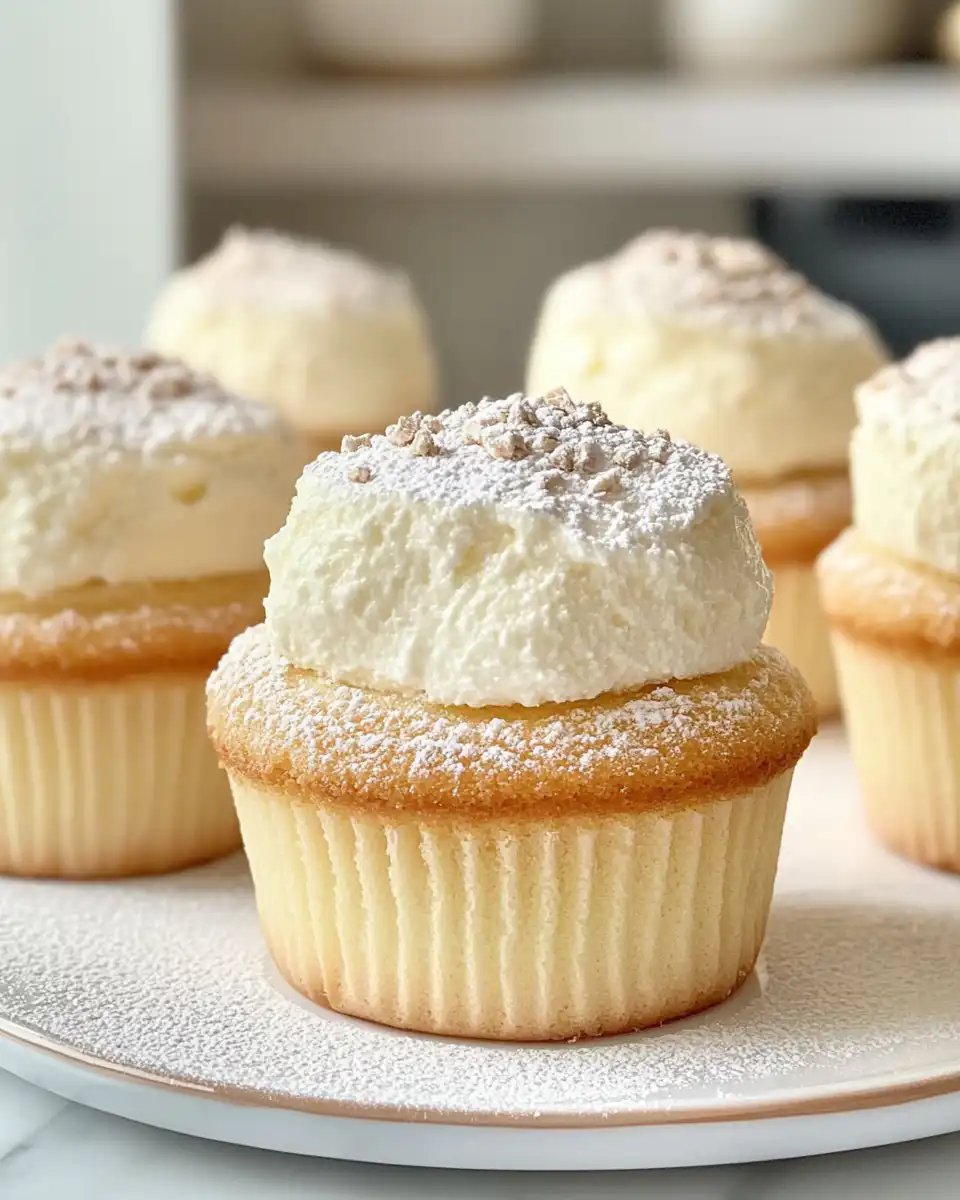
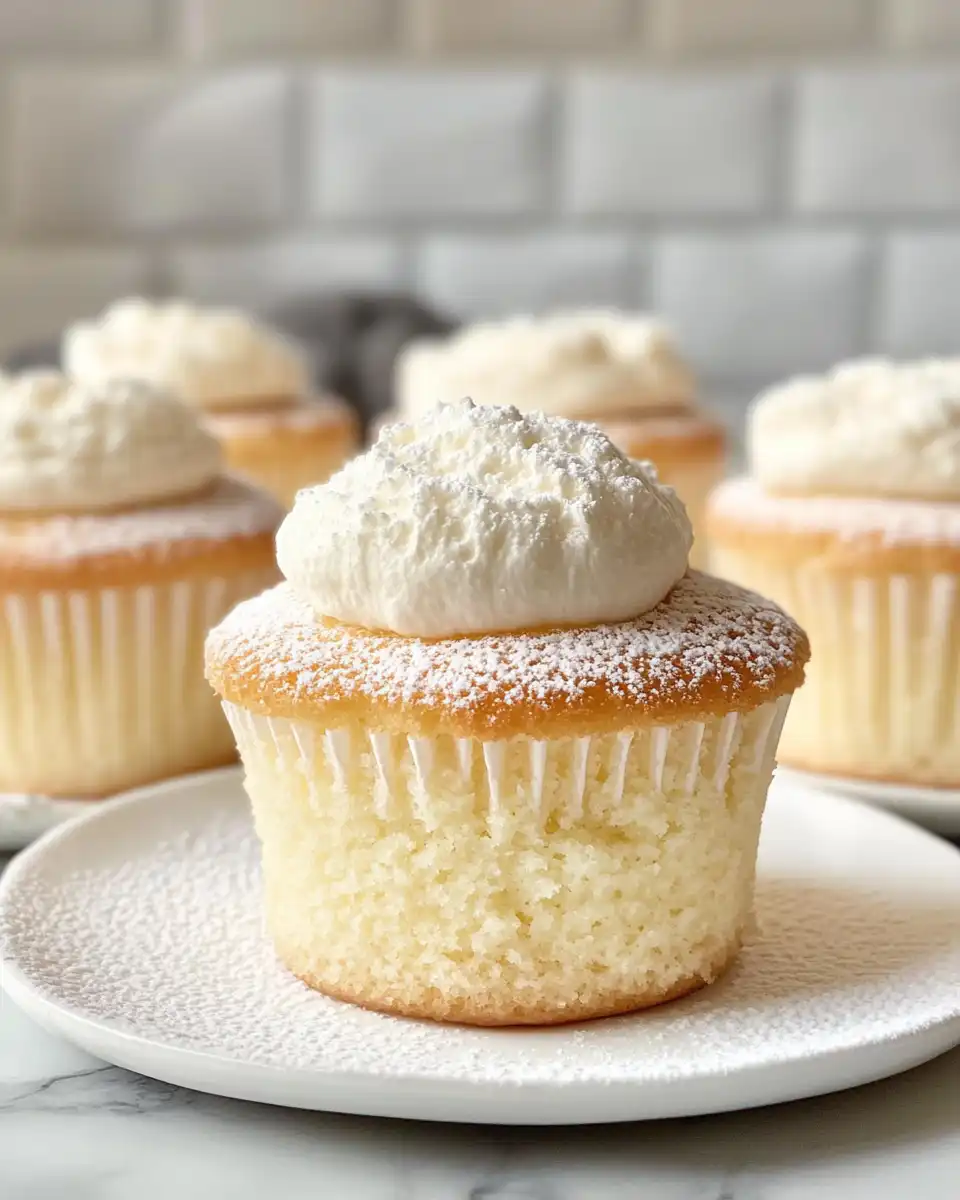
You slice into this cake and it’s like cloud pillows on a plate. The top’s got a light golden touch that looks just right.
The texture is dang soft and tender, melts right on your tongue but still has that gentle cheesecake chew you love. You notice that subtle tang from cream cheese and lemon, not too much but just enough to wake your taste buds up.
Every bite feels airy but creamy, kinda a delicate dance between fluffy cake and rich cheesecake.
It’s the kinda dessert that makes you stop, smile, and realize that waiting all that time for the natural release really pays off big time.
How to Store This for Later
Leftovers? You can keep slices wrapped tight in plastic wrap on the counter for up to 2 hours if you’re planning to eat real soon.
For longer life, cover tightly and pop the cheesecake in the fridge. It’ll stay good for 3 to 4 days, still soft and tender.
Freeze individual slices on a tray first, so they don’t stick together, then transfer to a freezer bag. This works best for up to a month. Thaw in the fridge overnight before you eat.
If you wanna reheat, do it gently in a steamer or warm oven at low temps. Quick heat can make it dry out, which is a bummer for such a soft cake.
Common Questions and Real Answers
Q1: Can I use a regular cake pan instead of a springform?
This kinda cake really needs a springform for easy removal. A regular cake pan might trap it and make it tough to get out without ruining the soft texture.
Q2: Can I skip the water bath?
Water bath is key for this recipe. It keeps heat gentle and the cake moist. Without it, you risk dry or cracked cheesecake.
Q3: How do I know when the cheesecake is done?
The top should be lightly golden and set. It still might jiggle a bit, but if it’s runny or too loose, it needs more time. Also, pay attention to the steam cues while cooking.
Q4: Can I make this recipe gluten-free?
Yep, you can swap the all-purpose flour for a gluten-free blend. Just make sure the mix has xanthan gum or something similar to hold the cake firm.
Q5: What if I quick release the pressure?
Dang, that’s gonna make the cake drop and deflate quickly. Always wait for natural release to keep your cheesecake fluffy and light.
Q6: Can I add flavors like vanilla or matcha?
Totally. Vanilla works great and matcha gives a nice earthy vibe. Just add a small amount so it doesn’t overpower the delicate texture.
For more dessert inspiration, check out our Pressure Cooker Cannoli Cheesecake Bars Recipe and Christmas Cheesecake Made Easy in Your Pressure Cooker for more creamy sweets.
Cotton Cheesecake / Japanese Cheesecake Pressure Cooker Recipe
Equipment
- 1 Mixing bowl separate ones for whites and yolks
- 1 Mixer for beating egg whites and batter
- 1 Springform pan 8-inch round lined with parchment
- 1 Large baking dish for water bath
Ingredients
Main Ingredients
- 5 large eggs at room temperature
- ¼ teaspoon cream of tartar
- ½ cup sugar divided
- 8 oz cream cheese softened
- ½ cup low-fat milk
- ¼ cup unsalted butter softened
- 1 tablespoon lemon juice
- ¼ cup all-purpose flour
- 2 tablespoons cornstarch
- 1 8-inch round springform pan
Instructions
Instructions
- Preheat the oven to 325°F. Line the springform with parchment and wrap in foil.
- Separate the eggs into yolks and whites. Set aside.
- Gently melt the butter, add cream cheese, then stir in milk and lemon juice until smooth.
- Mix in yolks to the cream cheese mix, then fold in flour and cornstarch gently.
- Beat egg whites with cream of tartar until foamy. Add sugar gradually until soft peaks form.
- Fold in a third of the egg white mixture into the batter, then gradually fold in the rest.
- Pour into the prepared pan, tap gently to remove air bubbles.
- Bake in a water bath for 70 minutes or until top is golden and set. Check doneness with toothpick.
- Turn off oven, crack the door, and let cake cool inside for 1 hour.
- Remove from pan, refrigerate 4 hours before serving.
- Serve plain or with fresh fruit, puree, or whipped cream.