


Steam curls up from the valve and your stomach starts talking back. The kitchen fills with this kinda sweet smell that grabs you by the senses before you even see what’s happening. You catch yourself smiling, thinking dang, this one's gonna be good.
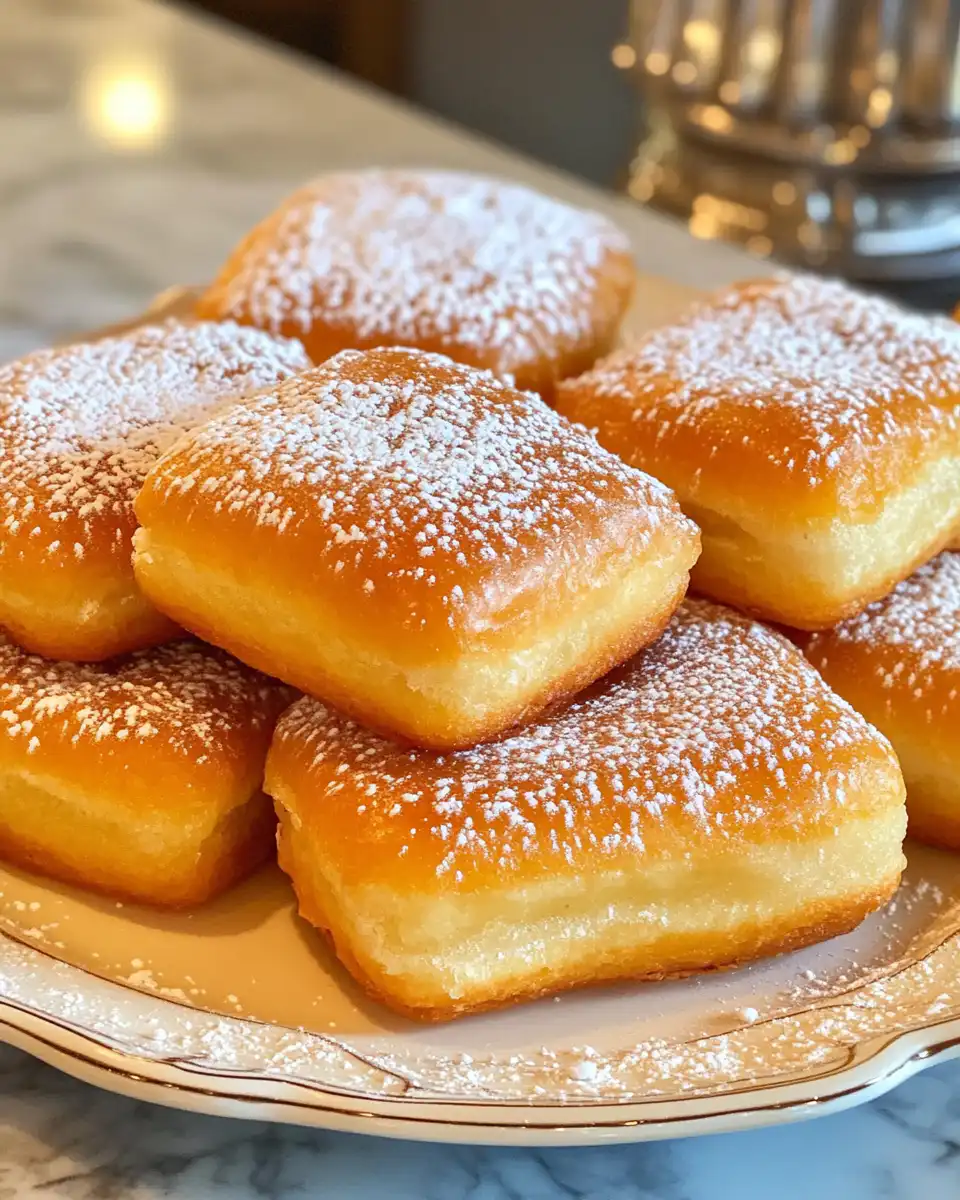
That valve hiss from the pressure cooker kinda reminds you of a train, except it’s bringing you something way better than just a ride. You sense that all the hard work’s been worth it already, but you gotta wait till it’s done for the best part. Sometimes, you just gotta trust the float valve doing its job.
You notice the dough’s risen just right, it’s like it’s begging to be fried up. You remember how soft buttermilk makes things extra tender, and that’s where the real charm of these beignets lies. There’s a warm feeling knowing you gonna bite into something kinda perfect when it’s all glazed and ready.
Why This Recipe Works Every Single Time
- Using warm water activates the yeast well, letting the dough rise nice and fluffy.
- The combination of buttermilk and baking soda gives a tender, flavorful crumb you won’t forget.
- The dough gets that perfect sticky texture, so it fries up all light and airy.
- Letting the dough rest after cutting helps the beignets puff up just right when frying.
- Frying at 350˚F makes sure the outsides get golden crispy without burning.
- A quick glaze or even a dusting of confectioners' sugar adds that final sweet touch you’ll crave.
Everything You Need Lined Up
- ¾ cup warm water between 105 and 110 degrees — gotta get the yeast comfy.
- 1 tablespoon active dry yeast to give that airiness inside.
- 6 cups all-purpose flour for the dough base — supports all the goodness.
- ¼ cup granulated sugar to sweeten things up a bit.
- 1½ teaspoons kosher salt to balance flavors.
- ¼ teaspoon baking soda to work with the buttermilk and keep things tender.
- 1½ cups whole buttermilk for that tang and softness.
- ¼ cup unsalted butter, softened, to add richness and moistness.
- 2 large eggs, lightly beaten, to bind and enrich the dough.
- Vegetable oil for frying, heated till it reaches that perfect 350˚F.
- 2 cups confectioners’ sugar and 6 tablespoons buttermilk for the glaze, plus colored sanding sugar if you feel like jazzing it up.
You’ll also wanna have some plastic wrap for resting and some floured surfaces ready for rolling out that dough. A heavy pot works real good for frying, and don’t forget your thermometer so you hit the oil temp just right.
Your Complete Cooking Timeline
Step one you combine warm water with active dry yeast in a big bowl and wait till it’s foamy, around five minutes. This part is important to know your yeast is alive and kicking.
Next, whisk together your flour, sugar, salt, and baking soda in another bowl. Having those dry ingredients ready makes it easier to mix later.
Then, add buttermilk, softened butter, and beaten eggs to the yeast mixture and stir it up til combined. This wet mix is where the dough really gets its character.
Gradually add your dry ingredients to the wet mix, stirring gently till a sticky dough forms. It’s okay if it’s kinda gooey, that’s just right.
Cover your bowl with plastic wrap and place it somewhere warm for about an hour till it doubles in size. This waiting is tough but worth every minute.
When dough’s ready, turn it out onto a floured surface and roll it out to about half an inch thick. Cut into 2-inch squares and let them rest on a floured baking sheet for 15 minutes before frying.

Finally heat your vegetable oil in a heavy pot up to 350˚F and fry your beignets in batches for 1 to 2 minutes each side till golden brown and puffed. Drain on paper towels and then hit 'em with your glaze or powdered sugar. Quick release your excitement cause it’s tasting time!
Quick Tricks That Save Your Time
If you gotta move fast, mix your dry ingredients ahead and keep 'em sealed tight. That way you just dump 'em in when you’re ready without fuss.
Another trick is to soften butter in the microwave for just a few seconds so it blends quick and easy with your wet ingredients.
Lastly, when frying, keep your oil temp steady by using a heavy pot and a thermometer, so you avoid greasy or undercooked beignets. It’s gonna save you from mucho cleanup later.
When You Finally Get to Eat
That first bite kinda knocks you back with a tender pull inside, that melt-in-your-mouth buttermilk softness wrapped in a crisp golden shell. You catch that glazed sweetness gliding over your tongue, and it’s just right.
Y’all notice how the colors from the sanding sugar add a fun sparkle to every bite, making these beignets feel like a celebration. Every piece is a little cloud of joy that’s hard to resist.

The warm feeling spreads with every munch, reminding you that making treats kinda like this is a way to share happiness. You’re gonna wanna make these over and over again, no doubt.
Making It Last All Week Long
If you got leftovers — which ain’t too likely — store them in an airtight container at room temp. They’ll keep their softness for a day or two, easy.
For longer keeping, you can freeze cooled beignets by laying ’em on a sheet, freezing, then packing into a bag. Later just thaw and warm up in the oven for a fresh feeling.
When reheating, give ’em a quick zap in a low oven or toaster oven to bring back that crispy outside that you love so much. It works real good and keeps that tender pull inside intact.
Everything Else You Wondered About
- Can I use instant yeast instead of active dry yeast? Yep, you can, but you might wanna skip letting it foam with warm water. Just mix instant yeast directly with your dry ingredients.
- Why no pressure cooking for frying? Beignets gotta be fried in hot oil for that golden puff; pressure cooking’s for steaming and tenderizing.
- What if my dough doesn’t rise? Check your water temp with a thermometer and make sure yeast’s fresh. If no foam shows in five minutes, best start over.
- Can I swap buttermilk? You can mix milk with a little lemon juice or vinegar to sour it slightly — works pretty good as a stand-in.
- Is colored sanding sugar needed? Nah, it’s just for fun and making things pop visually. Powdered sugar alone tastes great too.
- Why quick release is important here? Quick release in pressure cooking helps you avoid overcooking when you do have to pressure cook other goodies, but not used during frying these beignets.
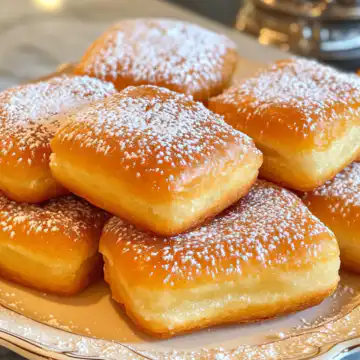
Glazed Buttermilk Beignets: Your New Pressure Cooker Favorite
Equipment
- 1 Mixing bowl Large
- 1 Heavy pot Deep for frying
- 1 Thermometer For checking oil temperature
- 1 Plastic wrap To cover dough while rising
- 1 Rolling pin To roll dough
Ingredients
Main ingredients
- 0.75 cup Warm water 105–110°F
- 1 tablespoon Active dry yeast
- 6 cups All-purpose flour
- 0.25 cup Granulated sugar
- 1.5 teaspoons Kosher salt
- 0.25 teaspoon Baking soda
- 1.5 cups Whole buttermilk
- 0.25 cup Unsalted butter softened
- 2 Large eggs lightly beaten
- Vegetable oil for frying at 350˚F
- 2 cups Confectioners’ sugar for glaze
- 6 tablespoons Buttermilk for glaze
- Colored sanding sugar optional
Instructions
Instructions
- Combine warm water and yeast in a bowl and let sit until foamy, about 5 minutes.
- In a separate bowl, whisk together flour, sugar, salt, and baking soda.
- Add buttermilk, butter, and eggs to the yeast mixture and mix to combine.
- Gradually add dry ingredients into wet mixture until a sticky dough forms.
- Cover bowl with plastic wrap and let the dough rise in a warm place for 1 hour.
- Turn dough onto a floured surface and roll to about ½-inch thick.
- Cut into 2-inch squares and let rest for 15 minutes.
- Heat vegetable oil in a heavy pot to 350˚F.
- Fry beignets in batches 1–2 minutes per side until golden and puffed. Drain.
- Glaze with confectioners’ sugar and buttermilk or dust with powdered sugar.