








That first hiss from the cooker tells you something good is happening. You feel that steam building up, kinda like your kitchen is whispering secrets about the tasty treat coming soon. Your sealing ring is snugged in place and you got the float valve up, so everything’s locked tight and ready for the heat wave.
When you start seeing those steam cues, you recall how this recipe is different from your usual oven routine. The broth depth doesn’t come into play like when you’re braising meat, but water in the cooker pots the same role—creating pressure to turn this batter into that soft, cinnamon-y hug.
You remember how time works in a pressure cooker. It’s all compressed so what usually takes an hour or two gets crammed down to a quick burst of 30 minutes or less. It’s like squeezing a season of your favorite show into one binge sesh. You gotta pay attention though or you’ll end up with either a gooey mess or a dry cake. Let’s get you set up to win.
The Truth About Fast Tender Results
- You need that sealing ring in perfect shape or else pressure won’t build right and your batter won’t rise as it should. Check out our Pressure Cooker Cannoli Cheesecake Bars Recipe for tips on sealing rings and pressure consistency.
- Watch your broth depth—it’s not broth here but water; you want about 1 cup inside the cooker, just enough to steam the cake. For comparison, see how broth depth affects honey garlic chicken tenders.
- Natural release is your friend when cooking cakes. It helps the cake settle and finish gently so it doesn’t collapse.
- Float valve signals when pressure is built; don’t rush the cooking until it’s up because then the heat isn’t working full power yet.
- Swirling the cinnamon sugar with a knife, instead of mixing fully, keeps those delicious pockets of cinnamon flavor licking through each bite.
Your Simple Ingredient Checklist
Your pantry is gonna need some basics for this one. Here’s what you wanna grab:
3 cups all-purpose flour for the cake base — gotta measure careful so it’s balanced.
1 cup white granulated sugar to sweeten it up nicely.
4 teaspoons baking powder to give your cake that lift.
2 large eggs to hold everything together.
2 teaspoons vanilla extract, all about flavor deepening.
1 ½ cups milk for moisture, smooth and creamy.
½ cup salted butter melted and slightly cooled to mix with the batter.
¾ cup softened salted butter along with 1 cup packed light brown sugar, 2 tablespoons flour, and 1 tablespoon ground cinnamon all mix together for your cinnamon swirl topping.
Plus you'll need the glaze stuff — 2 cups powdered sugar, 5 tablespoons milk, 1 teaspoon vanilla extract to drizzle that sweet finish.
You’ll see a couple versions of butter here. Don’t fret. Melt the smaller amount for the batter and soften the bigger part room temp so it swirls easier. This separation really works for that right balance of moistness and thick swirl.
The Full Pressure Cooker Journey
Step 1 Get that pressure cooker ready. You gotta grease a 9x13 inch baking dish so the cake won’t stick. No shortcuts here or you’ll regret sticky trays later.
Step 2 Mix dry ingredients: whisk together flour, sugar, and baking powder in a big bowl. Make sure no lumps, smooth is best.
Step 3 Add eggs, vanilla, milk, and melted butter to dry mix. Stir till it’s one smooth batter, no streaks.
Step 4 Pour batter into your greased dish and level it out with a spatula. You want the cake thickness even for proper cook.
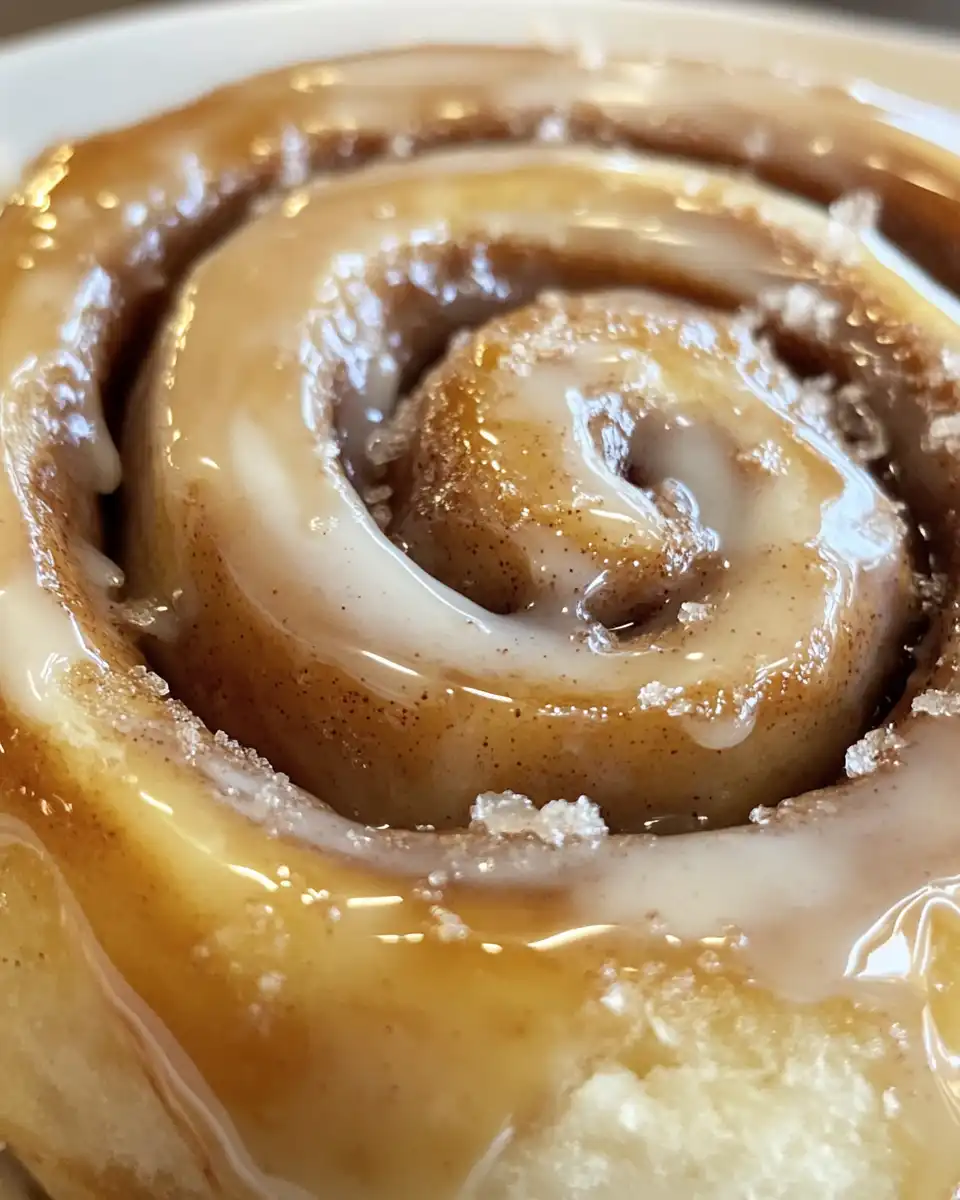
Step 5 Mix the cinnamon swirl topping by putting softened butter, brown sugar, flour, and cinnamon in another bowl. Make it thick and spreadable. Spoon dollops over cake batter then gently swirl with a knife. That swirl is what makes the cake dance with cinnamon.
Step 6 Place the baking dish on a trivet inside the pressure cooker. Add about 1 cup water around the trivet, close the lid, sealing ring set right, then cook on high pressure for about 30 minutes. When done, do natural release so the cake settles. Let cool about 10 mins after opening, then drizzle glaze over warm cake and enjoy.
Valve Hacks You Need to Know
- Check your sealing ring before starting. If it’s cracked or smells weird, swap it out to keep pressure tight.
- Don’t overfill your cooker with water. One cup plus the trivet height is all you need. More water just wastes time warming.
- Natural release takes patience but helps avoid a sunken cake. Don’t flick that valve open too soon!
- Use the float valve as your pressure guide. When it pops up, you know the cooker’s working hard.
- For the swirl, use a butter knife or small spatula to twist gently — too rough and you’ll mix all that cinnamon away.
Your First Taste After the Wait
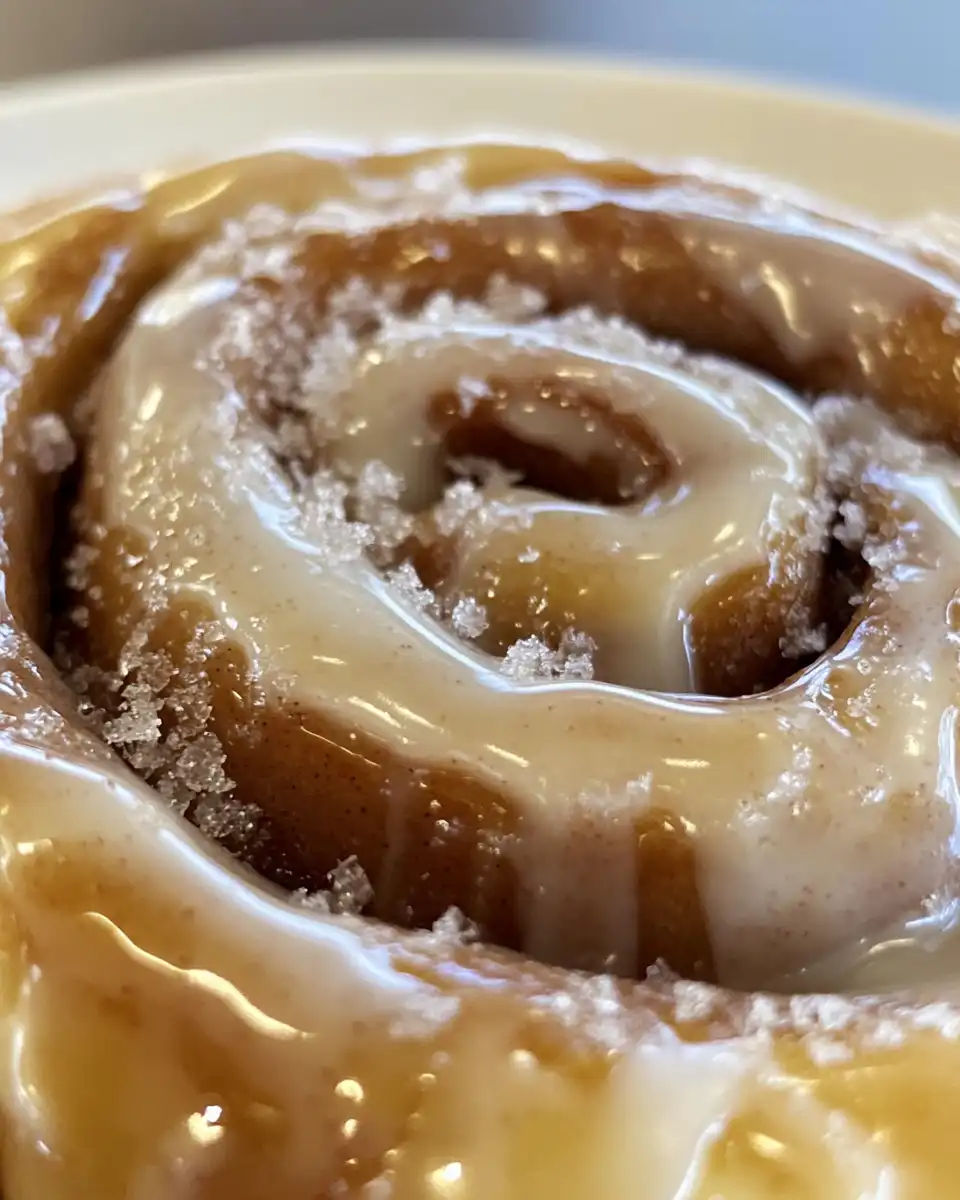
That first bite you take hits just right with soft, fluffy crumb underneath ribbons of cinnamon sweetness. You catch that warm hug of spices and butter blending in your mouth.
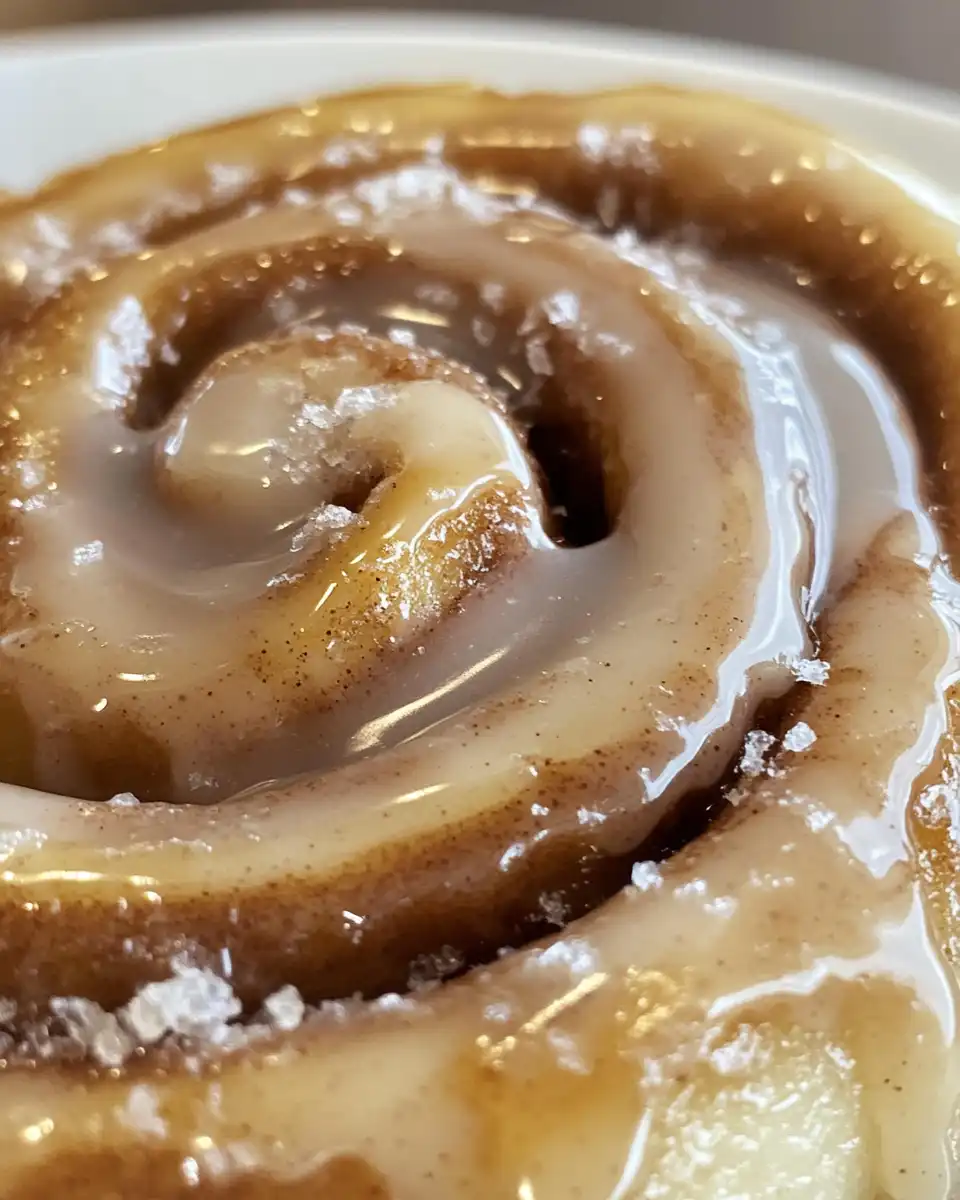
The glaze adds an extra creamy drizzle that melts on your tongue. It’s sweet but not overly so, keeping the cake cozy and balanced.
As you enjoy, you remember how the moistness from the pressure cooking creates a cake that’s tender beyond the typical oven bake. It’s kinda like a cinnamon roll and cake had a perfect baby.
Each forkful feels like a slice of comfort that brings you back to good mornings or lazy weekend treats. You’ll wanna make it again soon, that’s for sure.
Keeping Leftovers Fresh and Ready
If you got leftovers (which, heck, sometimes you do), here’s the rundown on keepin’ it fresh.
First, wrap the cake tightly in plastic wrap or aluminum foil. This keeps the air out and the cake soft.
Second, store in an airtight container at room temp for up to two days. Definitely don’t leave uncovered or it gets tough.
Third, pop any leftovers in the fridge for up to a week. Just be sure it’s sealed well so the cake doesn’t dry out.
Fourth, for longer storage, slice and freeze the cake wrapped in foil, then sealed in a bag. Thaw overnight in fridge or warm gently in microwave for a fresh-outta-cooker feel.
Everything Else You Wondered About
- Can I use this recipe in a regular oven? Yeah you can, just bake at 350°F for 30-35 minutes but watch the top so it don’t overbrown.
- What if my pressure cooker doesn’t have a trivet? You can fashion one from rolled-up foil or use a heat-safe rack to lift the dish above the water.
- Can I skip natural release and do quick release? It’s better not to. Quick release makes cakes shrink or sink. Natural release keeps it steady and tender.
- Why swirl the cinnamon topping instead of mixing in? Swirling keeps distinct pockets of cinnamon sugar that give bursts of flavor and a nicer look when served.
- Can I substitute almond milk for regular milk? Yep, you can and it works real good. Just expect a slight tizzy in taste but still yummy.
- Will this recipe work in an electric pressure cooker? Totally. Adjust water and make sure sealing ring is tight. Cook time stays about the same.
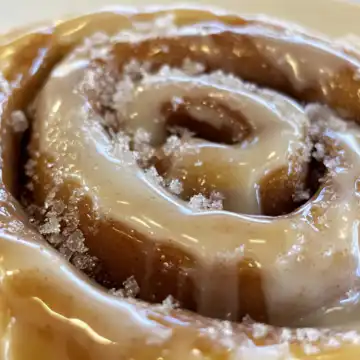
Cinnamon Roll Cake: Pressure Cooker Style
Equipment
- 1 Mixing bowl Large
- 1 Pressure cooker with trivet
- 1 9x13 inch baking dish greased
Ingredients
Cake Batter
- 3 cups all-purpose flour
- 1 cup white granulated sugar
- 4 teaspoons baking powder
- 2 large eggs
- 2 teaspoons vanilla extract
- 1 ½ cups milk
- ½ cup salted butter melted and slightly cooled
Cinnamon Filling
- ¾ cup salted butter softened to room temperature
- 1 cup packed light brown sugar
- 2 tablespoons all-purpose flour
- 1 tablespoon ground cinnamon
Glaze
- 2 cups powdered sugar
- 5 tablespoons milk
- 1 teaspoon vanilla extract
Instructions
Instructions
- Grease a 9x13 inch baking dish to prevent sticking.
- Whisk together flour, sugar, and baking powder in a large bowl until smooth.
- Add eggs, vanilla, milk, and melted butter. Stir until well combined and smooth.
- Pour batter into the greased dish and level the surface with a spatula.
- Mix softened butter, brown sugar, flour, and cinnamon in a separate bowl until spreadable. Spoon over the batter and swirl gently with a knife.
- Place the baking dish on a trivet inside the pressure cooker. Add 1 cup water around it.
- Seal the lid and set to cook on high pressure for 30 minutes. Allow a natural pressure release after finishing.
- Let the cake cool for 10 minutes after opening the lid.
- Whisk together powdered sugar, milk, and vanilla extract. Drizzle over warm cake before serving.